We use cookies to ensure our site functions properly and to store limited information about your usage. You may give or withdraw consent at any time. To find out more, read our privacy policy and cookie policy.
Manage Cookies
A cookie is information stored on your computer by a website you visit. Cookies often store your settings for a website, such as your preferred language or location. This allows the site to present you with information customized to fit your needs. As per the GDPR law, companies need to get your explicit approval to collect your data. Some of these cookies are ‘strictly necessary’ to provide the basic functions of the website and can not be turned off, while others if present, have the option of being turned off. Learn more about our Privacy and Cookie policies. These can be managed also from our cookie policy page.
Strictly necessary cookies(always on):
Necessary for enabling core functionality. The website cannot function properly without these cookies. This cannot be turned off. e.g. Sign in, Language
Analytics cookies:
Analytical cookies help us to analyse user behaviour, mainly to see if the users are able to find and act on things that they are looking for. They allow us to recognise and count the number of visitors and to see how visitors move around our website when they are using it. Tools used: Google Analytics
Addressing Climate Change Local Plan Publication stage
Share Addressing Climate Change Local Plan Publication stage on FacebookShare Addressing Climate Change Local Plan Publication stage on TwitterShare Addressing Climate Change Local Plan Publication stage on LinkedinEmail Addressing Climate Change Local Plan Publication stage link
The UK government has set a target to become carbon neutral by 2050. National planning policy stipulates that the planning system should help the transition to a low carbon economy.
Greater Manchester wants to go even further and creating a carbon neutral city region by 2038. A place where all citizens have access to affordable renewable energy and warm climate resilient homes is part of the vision outlined in the Greater Manchester Five-Year Environment Plan.
The Council’s Building a Better Oldham reflects Oldham’s commitment to climate change, and our Green New Deal Strategy puts in place a framework to work with our residents and partners to make Oldham an even greener, smarter, more enterprising place. Nature-based solutions can also help communities become more resilient to climate change, whilst enhancing nature and biodiversity.
Through the Local Plan we will seek to address climate change through a positive approach on renewable and low carbon energy, flood risk, green infrastructure, design, air quality and transport infrastructure and accessibility. We will also support growth of the green technologies sector.
Below we set out our policies on energy, flood risk and water supply. Other plan policies linking to climate change can be found throughout the plan.
Policy CC1 - Renewable and Low Carbon Energy:
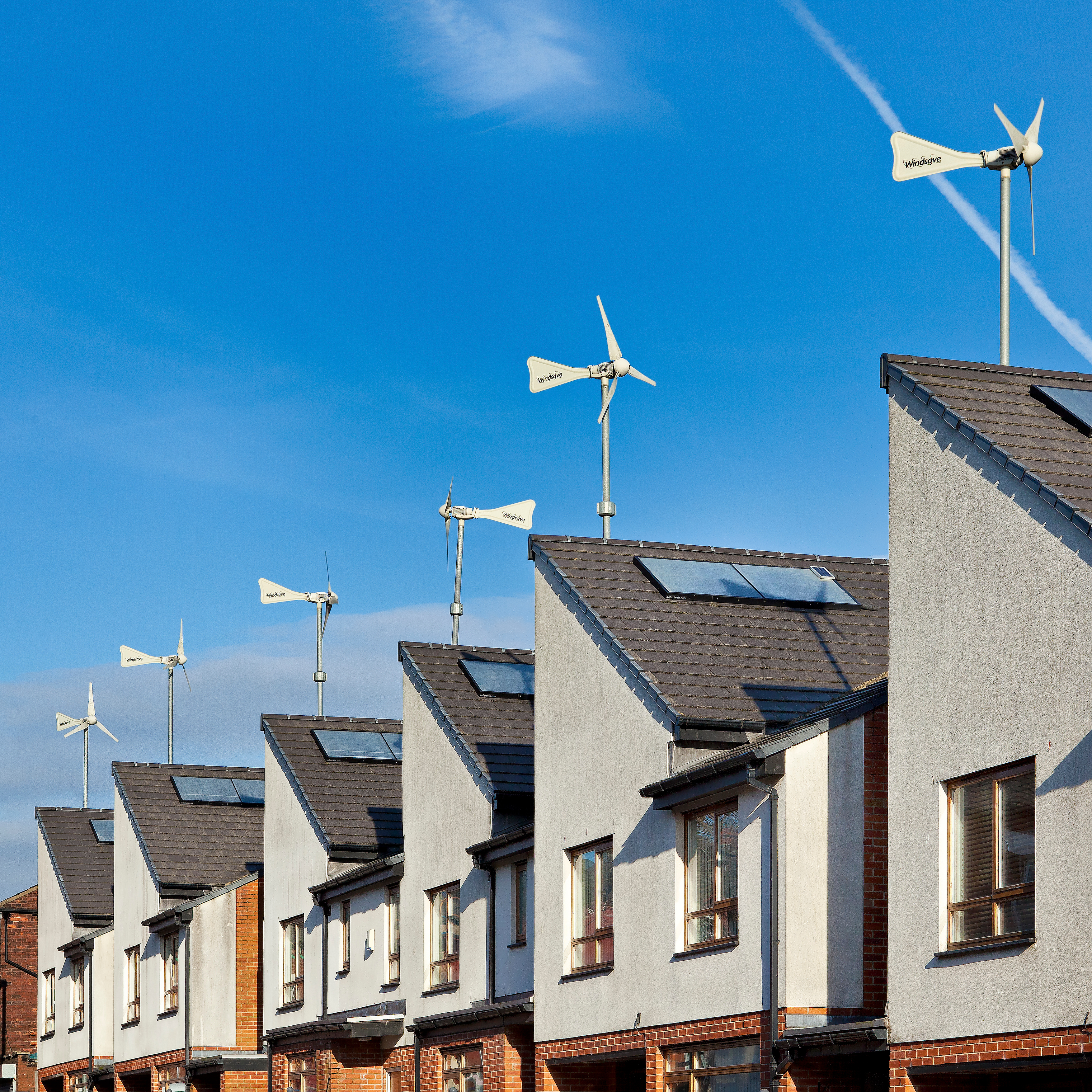
Policy CC1 outlines support for renewable and low-carbon energy development, including supporting infrastructure, and sets criteria that needs to be addressed, such as amenity, loss of open space, biodiversity etc.
Policy CC2 - Managing Flood Risk:
Policy CC2 establishes policy for managing flood risk in development proposals, aligning with national planning policy and guidance. A sequential approach to assessing current and future flood risk is applied, with the functional floodplain (Flood Zone 3b) identified for water storage and Green Infrastructure benefits.
Policy CC3 - Sustainable Drainage - Foul and Surface Water:
Policy CC3 outlines requirements for foul and surface water management following the surface water hierarchy. The policy sets out drainage standards for development.
Policy CC4 - Water Efficiency:
Policy CC4 focuses on water efficiency requirements for new developments. For residential developments, the policy mandates compliance with the optional requirement set through Building Regulations Requirement G2: Water Efficiency or any future updates. The policy also sets out requirements for non-residential development.
Policy CC5 - Groundwater Source Protection Zones:
Policy CC5 addresses groundwater source protection zones and outlines requirements for development proposals to consider and mitigate potential impacts on water quality.
To read the policies in full, please download the Oldham Local Plan: Publication Plan which is available to view here on the Council’s website.
The UK government has set a target to become carbon neutral by 2050. National planning policy stipulates that the planning system should help the transition to a low carbon economy.
Greater Manchester wants to go even further and creating a carbon neutral city region by 2038. A place where all citizens have access to affordable renewable energy and warm climate resilient homes is part of the vision outlined in the Greater Manchester Five-Year Environment Plan.
The Council’s Building a Better Oldham reflects Oldham’s commitment to climate change, and our Green New Deal Strategy puts in place a framework to work with our residents and partners to make Oldham an even greener, smarter, more enterprising place. Nature-based solutions can also help communities become more resilient to climate change, whilst enhancing nature and biodiversity.
Through the Local Plan we will seek to address climate change through a positive approach on renewable and low carbon energy, flood risk, green infrastructure, design, air quality and transport infrastructure and accessibility. We will also support growth of the green technologies sector.
Below we set out our policies on energy, flood risk and water supply. Other plan policies linking to climate change can be found throughout the plan.
Policy CC1 - Renewable and Low Carbon Energy:
Policy CC1 outlines support for renewable and low-carbon energy development, including supporting infrastructure, and sets criteria that needs to be addressed, such as amenity, loss of open space, biodiversity etc.
Policy CC2 - Managing Flood Risk:
Policy CC2 establishes policy for managing flood risk in development proposals, aligning with national planning policy and guidance. A sequential approach to assessing current and future flood risk is applied, with the functional floodplain (Flood Zone 3b) identified for water storage and Green Infrastructure benefits.
Policy CC3 - Sustainable Drainage - Foul and Surface Water:
Policy CC3 outlines requirements for foul and surface water management following the surface water hierarchy. The policy sets out drainage standards for development.
Policy CC4 - Water Efficiency:
Policy CC4 focuses on water efficiency requirements for new developments. For residential developments, the policy mandates compliance with the optional requirement set through Building Regulations Requirement G2: Water Efficiency or any future updates. The policy also sets out requirements for non-residential development.
Policy CC5 - Groundwater Source Protection Zones:
Policy CC5 addresses groundwater source protection zones and outlines requirements for development proposals to consider and mitigate potential impacts on water quality.
To read the policies in full, please download the Oldham Local Plan: Publication Plan which is available to view here on the Council’s website.