We use cookies to ensure our site functions properly and to store limited information about your usage. You may give or withdraw consent at any time. To find out more, read our privacy policy and cookie policy.
Manage Cookies
A cookie is information stored on your computer by a website you visit. Cookies often store your settings for a website, such as your preferred language or location. This allows the site to present you with information customized to fit your needs. As per the GDPR law, companies need to get your explicit approval to collect your data. Some of these cookies are ‘strictly necessary’ to provide the basic functions of the website and can not be turned off, while others if present, have the option of being turned off. Learn more about our Privacy and Cookie policies. These can be managed also from our cookie policy page.
Strictly necessary cookies(always on):
Necessary for enabling core functionality. The website cannot function properly without these cookies. This cannot be turned off. e.g. Sign in, Language
Analytics cookies:
Analytical cookies help us to analyse user behaviour, mainly to see if the users are able to find and act on things that they are looking for. They allow us to recognise and count the number of visitors and to see how visitors move around our website when they are using it. Tools used: Google Analytics
Oldham's Historic Environment Local Plan Publication stage
Share Oldham's Historic Environment Local Plan Publication stage on FacebookShare Oldham's Historic Environment Local Plan Publication stage on TwitterShare Oldham's Historic Environment Local Plan Publication stage on LinkedinEmail Oldham's Historic Environment Local Plan Publication stage link
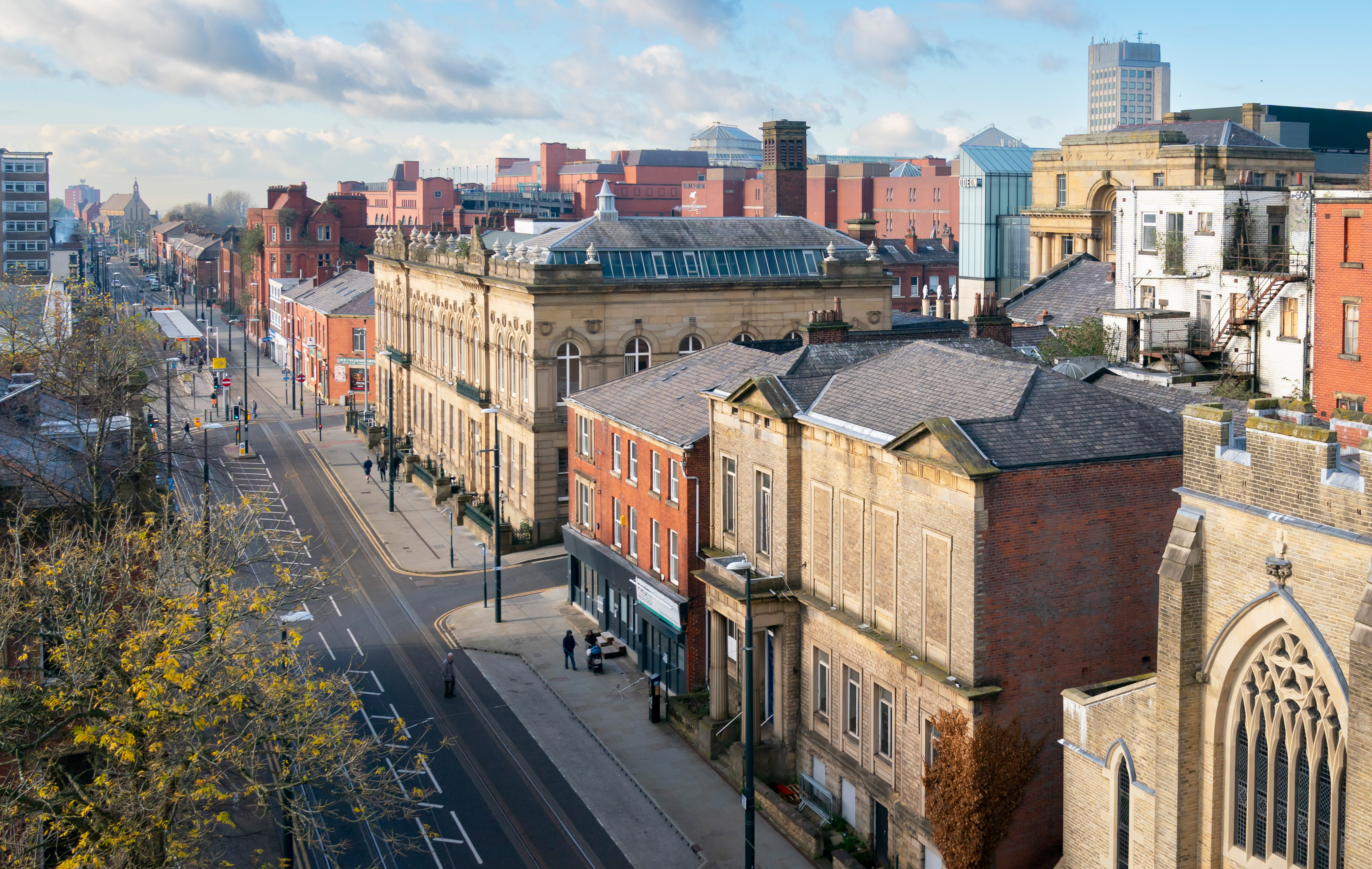
Oldham with its hugely significant industrial past is rich in history and heritage with both designated and non-designated assets. In particular, the clusters of mills contributing to Oldham's landscape character, give the borough an exceptionally strong identity and sense of place.
The Local Plan sets out a positive strategy for heritage. Two areas that the Local Plan has focussed on is a strategy for the boroughs non-designated mills and an appraisal and management plan to enhance Oldham Town Centre Conservation Area with the aim of removing the conservation area from the ‘at risk’ register.
The policies listed below are designed to support Oldham's historic environment. A summary of them is given under each heading.
Policy HE1 – The Historic Environment:
This policy outlines how the Council will work with partners to conserve and enhance the historic environment.
Policy HE2: Securing the Preservation and Enhancement of Oldham's Heritage Assets:
This policy outlines support to sustain and enhance heritage assets. The policy sets out detail on how proposals affecting a heritage assets will be determined, in particular taking into account the level of harm to the significance of the asset.
Policy HE3: Development Proposals Affecting Conservation Areas:
This policy provides policy on proposals affecting a conservation area and set out criteria that development should meet. It also includes criteria on shopfronts, retail and signage within conservation areas.
Policy HE4: Oldham's Mills:
This policy focusses on non-designated mills and clusters of mills and sets out policy for ensuring that development proposals affecting mills are assessed in line with their level of significance, as outlined in the policy.
Policy HE5: Canals:
This policy recognises the importance of the Huddersfield Narrow Canal and the Rochdale Canal as heritage assets. The policy ensures that development will not affect the restoration, conservation and enhancement of the waterway’s heritage and built environment.
To read the policies in full, please download the Oldham Local Plan: Publication Plan which is available to view here on the Council’s website.
Oldham with its hugely significant industrial past is rich in history and heritage with both designated and non-designated assets. In particular, the clusters of mills contributing to Oldham's landscape character, give the borough an exceptionally strong identity and sense of place.
The Local Plan sets out a positive strategy for heritage. Two areas that the Local Plan has focussed on is a strategy for the boroughs non-designated mills and an appraisal and management plan to enhance Oldham Town Centre Conservation Area with the aim of removing the conservation area from the ‘at risk’ register.
The policies listed below are designed to support Oldham's historic environment. A summary of them is given under each heading.
Policy HE1 – The Historic Environment:
This policy outlines how the Council will work with partners to conserve and enhance the historic environment.
Policy HE2: Securing the Preservation and Enhancement of Oldham's Heritage Assets:
This policy outlines support to sustain and enhance heritage assets. The policy sets out detail on how proposals affecting a heritage assets will be determined, in particular taking into account the level of harm to the significance of the asset.
Policy HE3: Development Proposals Affecting Conservation Areas:
This policy provides policy on proposals affecting a conservation area and set out criteria that development should meet. It also includes criteria on shopfronts, retail and signage within conservation areas.
Policy HE4: Oldham's Mills:
This policy focusses on non-designated mills and clusters of mills and sets out policy for ensuring that development proposals affecting mills are assessed in line with their level of significance, as outlined in the policy.
Policy HE5: Canals:
This policy recognises the importance of the Huddersfield Narrow Canal and the Rochdale Canal as heritage assets. The policy ensures that development will not affect the restoration, conservation and enhancement of the waterway’s heritage and built environment.
To read the policies in full, please download the Oldham Local Plan: Publication Plan which is available to view here on the Council’s website.